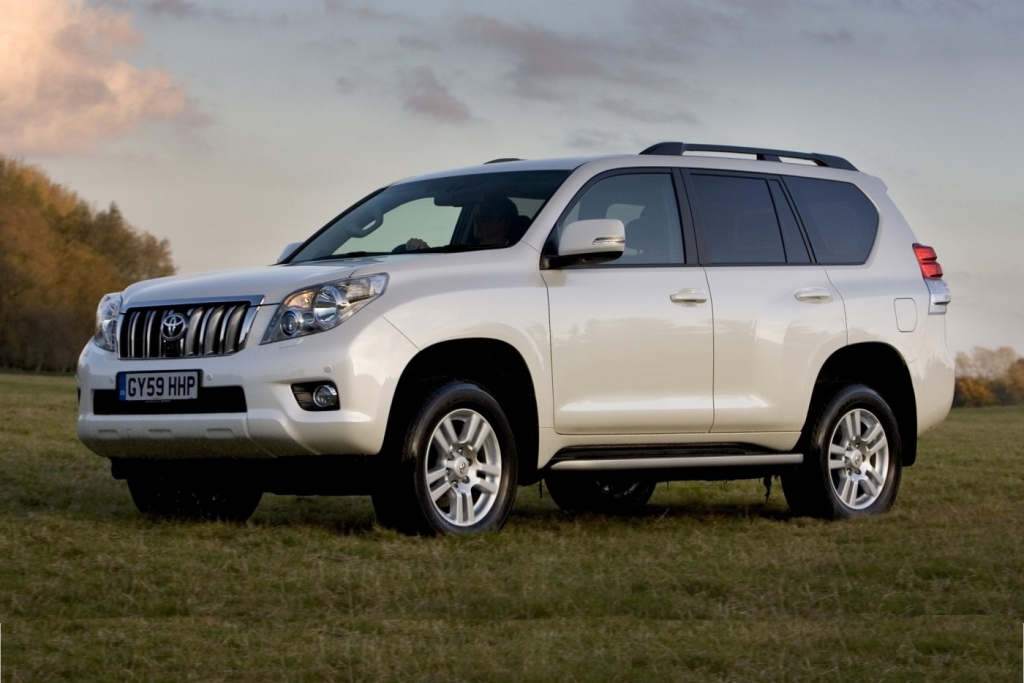
KRA states that a used vehicle must be less than eight years old from first registration, right-hand drive and subject to roadworthiness inspection by a KEBS-appointed agent.
Confirm the exact age calculation and inspection route before payment. Prioritize serviceable specifications and strong local parts support.
Verify with Kenya Revenue Authority motor-vehicle import procedure ↗Kenya eligibility, inspection and clearance sequence
- Screen eligibilityKRA states that an imported used vehicle must be less than eight years old from its year of first registration, right-hand drive and eligible for the required roadworthiness inspection. Check the first-registration date on the original Japanese record before paying.
- Arrange inspection in JapanThe roadworthiness inspection must be performed by a KEBS-appointed agent in the country of export. Use KEBS's current inspection page to confirm the provider, chassis-number record and Japan inspection location before shipment.
- Keep the originals alignedKRA lists the original commercial invoice, original bill of lading, cancelled original logbook or registration record, pre-shipment roadworthiness certificate and the importer's PIN or company certificate. Match the chassis number across every document.
- Clear, then registerKRA requires a customs clearing agent for cars and lists the IDF, customs entry, applicable conformity evidence and commercial documents for declaration. Confirm the operative valuation, duty, excise, VAT and levy treatment for the exact vehicle before funding the purchase.
Do not turn the eight-year rule into a model-year shortcut. KRA expresses the limit by year of first registration. A seller's advertised manufacture year or model year is not enough to establish eligibility.
Do not ship first and plan inspection later. KEBS describes PVoC as conformity assessment in the country of supply or origin, and KRA requires the pre-shipment roadworthiness certificate among the import documents.
Use the operative KRA retail-price schedule for valuation planning. KRA's current public notice says the CRSP schedule effective 1 July 2025 is applied when computing the customs value of imported used vehicles. The exporter invoice alone does not establish the customs value; check the current CRSP record and obtain a vehicle-specific assessment before funding duty and taxes.
Check KRA's current customs-clearance document list ↗Check KRA's current CRSP valuation notice and schedule ↗Check the KEBS PVoC process and appointed agents ↗Check KEBS vehicle inspection details and Japan locations ↗Best Japanese cars to research for Kenya
These are research starting points, not paid rankings. The best vehicle depends on eligibility, use, roads, fuel, service support and individual condition.
Import process: five decisions in order
Shipping and arrival
Price ocean freight to Mombasa together with port, clearing, possible storage and inland delivery.
Documents to prepare
Export certificate, commercial invoice, bill of lading, inspection evidence and current customs or registration records.
Estimate the total landed cost in KES
Model the KRA customs valuation, inspection, Mombasa port, clearing, storage and inland-delivery costs—not only the exporter invoice.
Vehicle, inland transport, exporter and port charges
Freight, insurance and shipping-related charges
Duty, tax, inspection, port, agent and storage
Compliance, registration, insurance and delivery
Use the planning tools
Find a suitable Japanese car →Estimate total landed cost →Compare exporter quotations →Verify official import sources →Frequently asked questions
Can I import a Japanese used car to Kenya?
Yes, when the exact vehicle and buyer meet current import, inspection, customs and registration requirements.
Which Japanese cars should I research for Kenya?
Start with Toyota Land Cruiser Prado, Toyota Harrier, Toyota RAV4, Toyota Corolla, Toyota Hiace, Toyota Hilux, then choose by use, eligibility, parts support and condition.
How should I estimate the import cost in KES?
Model the KRA customs valuation, inspection, Mombasa port, clearing, storage and inland-delivery costs—not only the exporter invoice.
What does total landed cost include?
Vehicle and Japan fees, freight, insurance, duty and tax, inspection, port and agent charges, inland delivery and registration.
JapanAutoPort does not sell, inspect, ship, clear or register vehicles. Rules and inventory change; verify the exact vehicle with official authorities and contracted providers before payment.